Coccidiosis in Chickens: The Pestilence that lives within
What Is Coccidiosis?
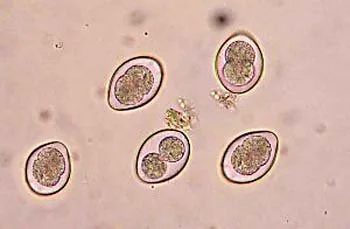
Cocci under a microscope. The shell around the 2 organisms is INCREDIBLY tough, and can live in your soil for months to years before it becomes infective.
Coccidiosis is a parasitic disease that attaches itself to the intestinal wall of the chicken. It is caused by a single cell protozoa with a nucleus called Emeria. These parasites are species-specific, meaning chicken coccidia only affect chickens and not humans or other livestock.
Nearly all chickens are exposed to coccidia at some point in their lives. Trouble arises when exposure overwhelms the bird’s immune system, leading to intestinal damage, poor nutrient absorption, illness, and sometimes death—especially in young birds, such as baby chicks.
2. What is Coccidia Infection?
Sporulated oocysts already live in the environment. This is a cell that contains a fertilized egg that has been sporulated so that are multiple nuclei inside one capsule. This has to be ingested from the environment, most likely from the soild, feed water, etc to cause the infection. The chicken has to ingest the afftected material for the infection to take place. The affected material is activated by enzimes in the intestine where it starts developing. As the infection continues its life cycle, it ruptures intestinal cells. The non-infective oocysts are then passed in the feces and sporulate the environment.
A flock can be infected with multiple species at once, increasing disease severity. New oocysts are shed, restarting the cycle.
The entire life cycle can be completed in as little as 4–7 days, which is why outbreaks can escalate so fast.
3. Types of Coccidia That Affect Chickens
There are nine recognized species of Eimeria that infect chickens. Some cause mild illness, while others are severe or even fatal.
Most Common and Important Species
Eimeria acervulina – Affects the upper intestine; causes reduced feed efficiency and poor growth
Eimeria maxima – Affects the mid-intestine; causes diarrhea, weight loss, and reduced egg production
Eimeria tenella – One of the most dangerous; affects the ceca and often causes bloody droppings
Eimeria necatrix – Severe intestinal damage; high mortality in young birds
Chickens ingest sporulated oocysts from:
Contaminated litter
Feeders and waterers
Soil, boots, and equipment
4. How Coccidiosis Spreads
Coccidiosis thrives in:
Damp, dirty litter
Crowded conditions
Poor ventilation
Shared equipment between flocks
Wet bedding is the single biggest risk factor.
5. Signs and Symptoms of Coccidiosis
Symptoms vary depending on species and severity, but commonly include:
Young chicks (3–12 weeks old) are at the highest risk due to their imature immune system
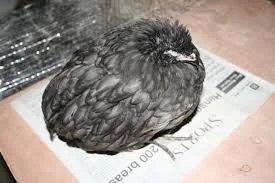
A sick chicken infected with coccidiosis
Bloody or watery diarrhea
Lethargy and weakness
Ruffled feathers
Loss of appetite
Weight loss or stunted growth
Pale combs and wattles
Decreased egg production
Huddling or drooping wings
Depression
High and frequent mortality in baby chicks (one drops after another)
Which types of evironment are more prevalent to coccidiosis?
Indoor environments
Moist environents
Overcrowding
Warmer temperatures
Sudden weather changes (even in the winter as they become more dormant and less active)
Consistent stressors (environental or nutritional)
Poor sanitation
Concurrent disease
How to Prevent Coccidiosis
Prevention focuses on management, immunity, and cleanliness.
1. Probiotic is going to be your number 1 best friend:
Add probiotics to your birds’ feed 2-3 times per week. Here is what we use and recommend We alternate with plain yougurt every other week. One week we do the powder and the next we do the yougurt.
You can use milk on days 3, 7, 14, and 21 works really well as a preventative .
2. Copper Sulfate
Can use as both preventive and treatment. Mix 1 oz of granules into 5 gallons of water (the water will be blue). Offer it for 3 days.
3. Dry, Clean Housing
Keep litter dry and fluffy
Fix water leaks immediately
Use good ventilation
4. Proper Stocking Density
Avoid overcrowding
Provide enough feeder and water space
5. Offer eggs from your free range chicken
This is a common practice of ours and one that works really well. They help to build immunity in young chicks
6. Gradual Exposure Builds Immunity
Low-level exposure helps birds build natural immunity, which is why adult chickens are less likely to show symptoms.
7.Good Biosecurity
Clean boots before entering coops
Don’t share equipment between flocks
Quarantine new birds ALWAYS! Everytime you bring in a newcomer no matter where from, needs to be quarantine for 30 days prior to integrating with the new flock
How to Treat and Eradicate Coccidiosis
Can It Be Fully Eradicated?
No. Coccidia are naturally present in the environment. The goal is control, not total elimination. The goal is to feed the good bacteria in the gut. There are only so many sites that the protozoa can attach itself. Focus on building your birds’ s immunity by filling those walls with good bacteria.
Treatment Options
1. Amprolium (Corid)
Most commonly used treatment
Administered in drinking water
Blocks thiamine uptake in the parasite
⏱️ Typical treatment lasts 5–7 days. The dosage is 1tsp per gallon of water as preventive and 2tsp per gallon water if you are having concurrent losses. Follow this treatement with Vitamin B (B Total is the best !!) for 5-10 days . 1-3 cc in the water.
2. Supportive Care
Provide electrolytes
Keep birds warm and stress-free
Ensure easy access to food and water
3. Severe Cases
Birds with advanced intestinal damage may not recover even with treatment. Early intervention is critical.
Cleaning After an Outbreak
Remove wet or soiled litter
Use Amonia 10% at the ratio of 13oz per gallon of water (most disinfectants do NOT kill oocysts).
Amonia is the only solution that kills coccidia. Nothing else touches it, not even bleach. Dip contaminated feeders and waterers in it before rinisng it multiple times.Allow housing to dry completely
Raise feeders and waterers
Sunlight and dryness are powerful natural enemies of coccidia.
I will keep editing this post as I test field other ways of preventing coccidia in my farm. I hope this has been helpful to you.
Some folks I want to give credit to is Jeff Mattocks and Rip Stalvey. I learn a great deal from the amazing podcast (Poultry Keepers 360) on YouTube. I highly recommend you subscribe to this channel. You will become an expert in poultry keeping. While you are it, visit and subscribe to our channel to follow our journey in the homestead. My channel is Vitoria Farms Diaries
